When the Problem Isn’t The Ultra Math
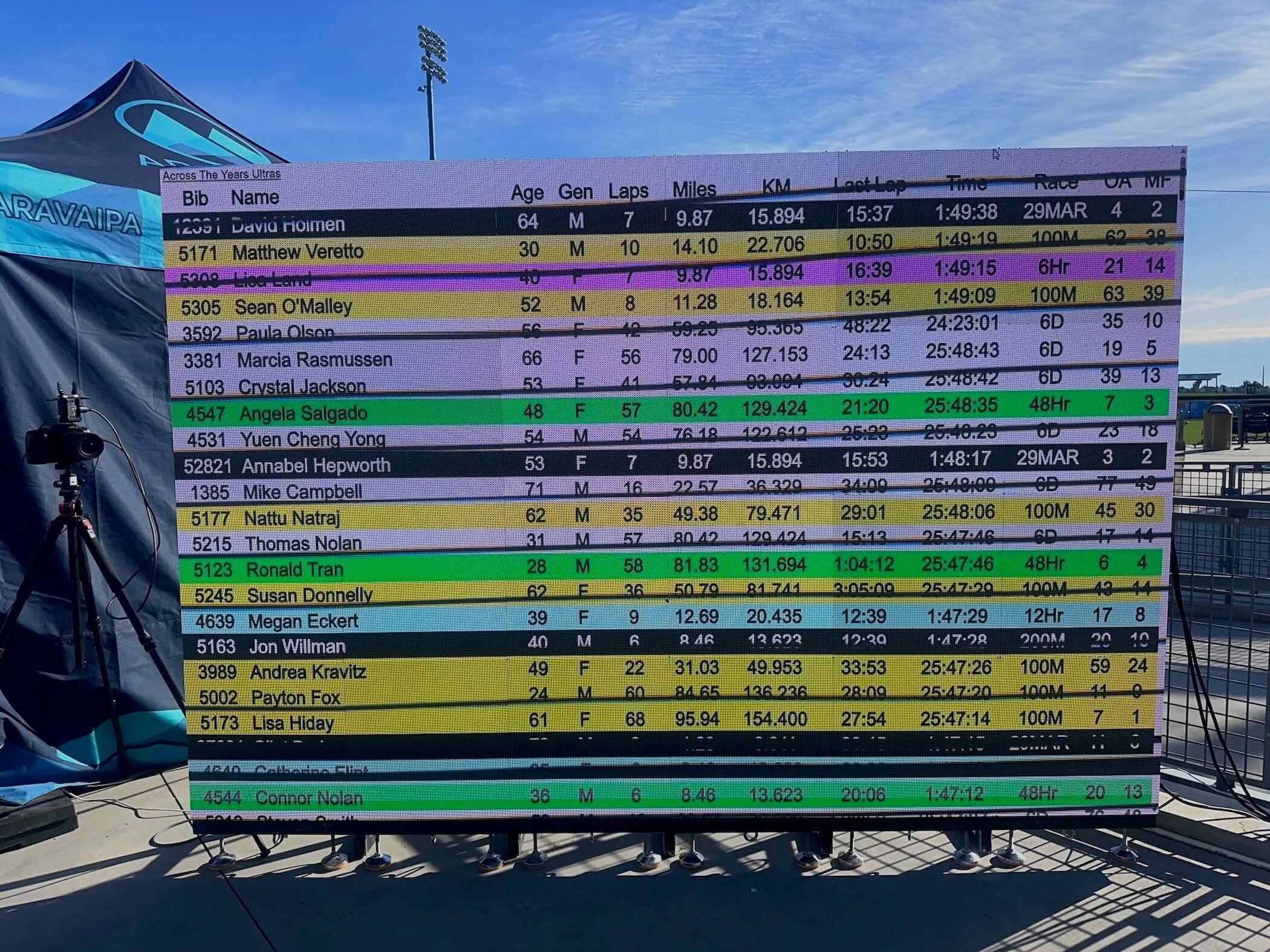
You want to know how you’re doing in the race as you go along. You don’t want to wait until you get to an aid station to know. That seems too risky.
So you wear your watch, plan for battery life. And no matter how often you check it, you're waiting on it to tell you where you stand.
All’s well for a while. But as the race goes on, what your watch says starts to worry you. You should be further along by now. You look at the numbers and start doing ultra math.
It doesn’t look good.
And the further you go like this, the more tired you get, the more you slow down, and the more worried you get.
According to your watch, you’re well behind where you should be. There’s just no way. The math says you can’t make it to the next aid station on time unless you sprint. And you’re way too tired and hurting to push even close to that.
So you slow down, take it easy to the next aid station and drop.
The next day, you look at the course and time with fresh eyes and realize you could have made it.
You’re not certain what happened. Did you mis-read the numbers? Misunderstand cutoff? Get confused about where you were? Make mistakes because you were too tired?
The watch doesn’t lie. It’s probably the math. You promise yourself you’ll never do ultra math again.
But it’s not the watch. Or the math. Or even tiredness.
It’s lack of decision.
You need to decide how and when to use the numbers your watch shows you.
When you haven’t decided this, you’re at the mercy of whatever your brain decides the numbers mean - be worried, be extra worried, or might as well give up and drop out of the race.
When you purposefully make those decisions, you’re in command of how you use the numbers and what they mean.
This is something I help clients decide ahead of time based on the race, their goals, and how they’ve used their watch data in past races. What they need to know in this race to hit their goal and what they don’t. What has helped them in past races and what hasn’t.
When you do this, the numbers serve you, not the other way around.
You know how you’re doing, not what your brain - programmed to see the negative - is telling you.
You can make smarter, clearer decisions under pressure.
And you stay in the race.
