This week, I got to help one of my Race Crafting clients evaluate her 100-mile finish at No Business 100.
As usual, far more things went right than wrong - 13 to 3. She ran a smart, successful on-plan race.
One of the tiniest things came up in passing while we were talking about drop bags. At the last drop bag aid station before dark, she changed into a long-sleeve shirt - and was stuck wearing it longer than she wanted.
No big deal, but it was too warm. Looking back, she would rather have just kept on the short-sleeve shirt she was already wearing.
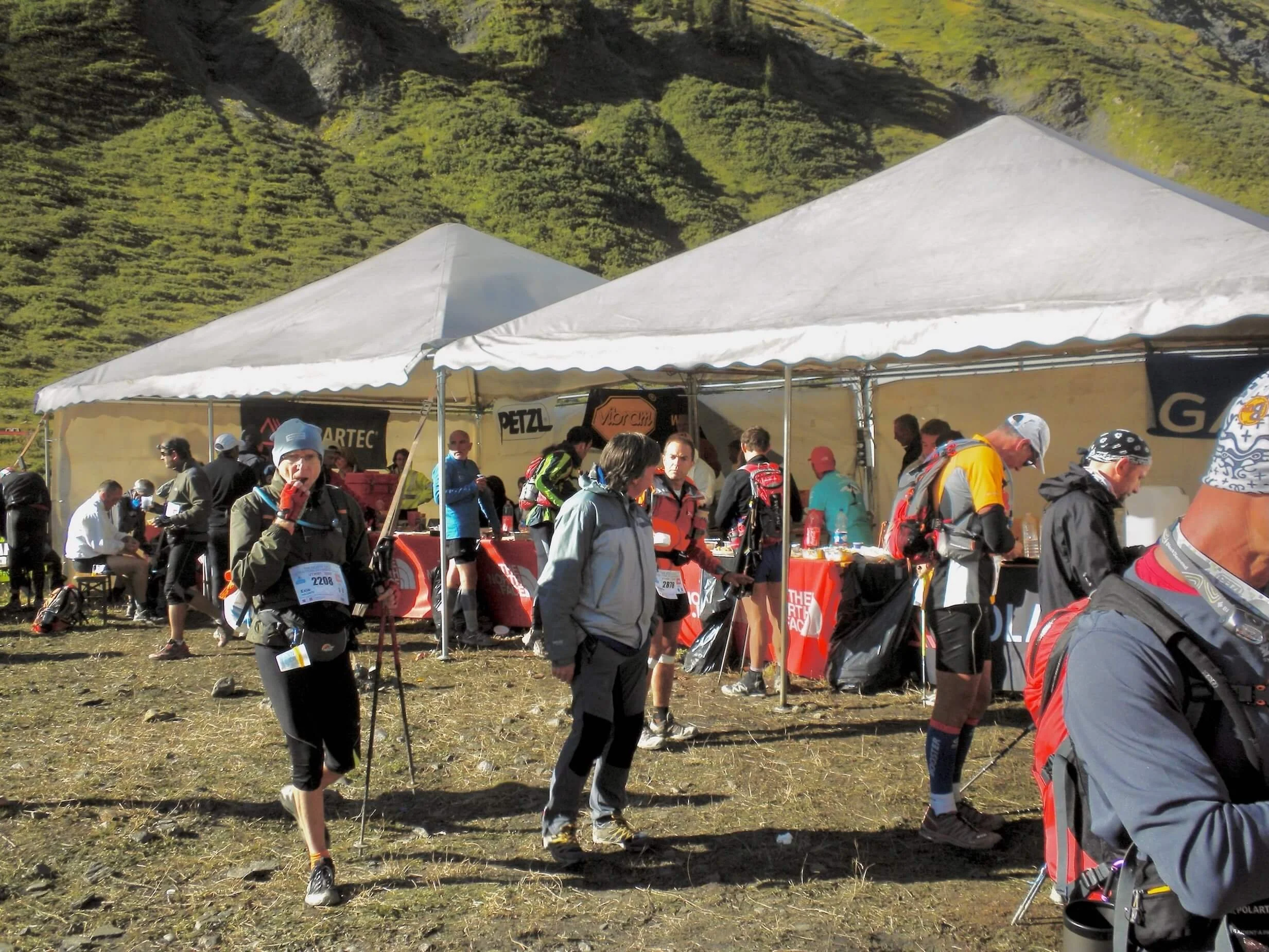
When I asked why she changed into the long-sleeve shirt at all, she thought about it and said all the runners around her in the aid station were either already wearing long sleeves or changing into them.
It seemed like the smart thing to do, especially heading into night. But it only seemed smart because everyone else was doing it.
Once my client thought back over the scene in the aid station, she realized she’d just defaulted into the shirt change. It wasn’t that she misjudged the temperatures - it was that she didn’t decide what was going to be right for her.
She never checked in with herself to see what she wanted to do. She just automatically reacted to what was around her.
Doing something different from everyone else can feel unsafe in the moment. But how many of those other runners were doing the exact same thing - copying whoever changed first? It seems smart when everyone’s doing it. That doesn’t mean it is.
Taking your cues from everyone around you is human - especially in unfamiliar territory, heading into the dark in a remote area, at your last drop bag for 20 miles. It’s a survival instinct.
Sometimes that instinct is great - you don’t want to leave that aid station without a headlamp.
But in other cases, like the shirt, it’s not.
Small thing, and that alone didn’t significantly impact her race - this time.
But it points to something bigger: self trust. The same autopilot that put her in a long-sleeve shirt is how you roll into an aid station, see everyone else dropping, and drop too. Especially if a volunteer asks whether you’re dropping - and hands you permission to make that decision.
The fix is simple: build the self-trust habit of checking in with yourself first - your past experience, your course knowledge, what you know about your own preferences - before you decide whether to follow everyone else.
You can start building that habit today, even in real life. At the grocery store, when a cluster of people are buying cookies from a seasonal display, do you reach for a bag too - or do you decide whether you actually want cookies first?
Get used to making decisions instead of reacting by default.
The next time you’re in a race, that habit will kick in when it matters most. You’ll roll into an aid station where runners are dropping all around you, check in with yourself - your training, your plan, how you actually feel - and get out of that aid station and on to the next. Because that’s the decision that’s right for you, no matter what everyone else is doing.
Self trust doesn’t just keep you out of survival mode. It turns your mind into your strongest asset on race day.
